Safeitempremium

Finding Balance in a Connected World

Explore approaches to managing daily digital habits and creating space for what matters. Simple adjustments that may help bring more clarity to your routine.

Learn More

Understanding Digital Habits

Many people start their day by checking their phone, encountering emails, news alerts, social media updates, and messages within moments of waking. This pattern has become common in modern life.

Research from the University of California suggests it takes approximately 23 minutes to regain focus after an interruption. With frequent phone checking throughout the day, this can affect how we use our time and attention.

Some people report feeling busy yet unproductive, finding it challenging to stay present in conversations, or noticing their work takes longer than expected. These experiences are common in our digitally connected environment.

Understanding how our environment influences attention and energy can be a starting point for exploring different approaches to daily routines and habits.
Three Pillars of Daily Balance

Strategic Disconnection

Taking regular breaks from screens is a common practice among many professionals. Some people find that stepping away for a few minutes periodically helps them approach tasks with fresh perspective. This might include setting a timer, moving away from devices, or simply pausing to take a few breaths.

The Power of Three

Some people prefer focusing on a small number of priorities rather than lengthy task lists. One approach is identifying three main tasks each morning. This method emphasizes selecting what feels most important rather than attempting to complete everything at once.

Digital Sunset Ritual

Creating an evening routine that includes reducing screen time before bed is a practice some people explore. This might involve putting devices in airplane mode, dimming screens, or choosing non-digital activities in the evening hours.

Potential Considerations

Exploring Different Approaches

Some people find that setting boundaries around their time and attention allows them to approach their day differently. This might mean choosing how to start the morning or deciding when to respond to messages.

Understanding Energy Patterns

Observing when you feel most alert or focused during the day can inform how you structure activities. Some people notice patterns in their energy levels and adjust their schedules accordingly.

Creating Space for Focus

Reducing interruptions is something many people experiment with when they want to concentrate on specific tasks. This might involve turning off notifications or finding quieter environments.

Being Present

Some individuals explore ways to be more engaged during conversations or activities. This could include putting away devices during meals or setting aside specific times for undistracted interaction.

Practical Daily Adjustments

Morning Routine

How someone begins their day varies widely. Some people prefer starting with water and light movement before checking devices, while others have different preferences. Morning routines are personal and can be adjusted based on individual schedules and circumstances.

Task Batching

Grouping similar activities together is one approach to organizing work. Some people designate specific times for certain tasks, such as responding to emails or making phone calls, rather than switching between different types of activities frequently.

Digital Boundaries

Many people check their phones frequently throughout the day. Some choose to adjust notification settings, use app timers, or create device-free areas in their homes as ways to manage their relationship with technology.

Movement Breaks

Taking breaks to move around during the day is something many people incorporate into their routines. This might include standing, stretching, or brief walks, depending on personal preference and available time.

Evening Wind-Down

Evening routines vary from person to person. Some people find it helpful to dim lights, avoid screens, or engage in calming activities before bed. These are personal choices that individuals make based on their own preferences and schedules.

Environment Design

The spaces where we work and live can be arranged in various ways. Some people prefer organized, well-lit areas with minimal distractions, while others have different preferences. Creating distinct areas for different activities is one approach some individuals explore.

Lifestyle Considerations

Nutrition Habits

Eating patterns and food choices are highly individual. Some people prefer regular meal times and focus on whole foods, while others have different approaches. Staying hydrated and choosing foods that work for your body are considerations many people think about.

Sleep Patterns

Sleep needs and preferences vary among individuals. Some people maintain consistent sleep schedules, while others have more flexible routines. Creating a comfortable sleep environment is something many people consider, though approaches differ based on personal circumstances.

Social Connections

Relationships and social interactions are important to many people. Some individuals prioritize regular time with friends and family, while others have different social preferences. The type and frequency of social connection varies based on personal needs and circumstances.

Personal Interests

Many people engage in hobbies and activities they enjoy outside of work. These might include music, gardening, crafts, sports, or other pursuits. Personal interests are individual and can provide a different focus from daily responsibilities.

Real Experiences

"I started checking my phone less frequently and noticed I was sleeping better. Having a routine before bed seems to help me feel more rested in the morning."

NT
Nino Tsereteli Software Engineer, Tbilisi

"Focusing on just three main tasks each day has been helpful for me. I feel less overwhelmed by long lists and more satisfied when I complete what I set out to do."

GK
Giorgi Kvaratskhelia Marketing Director, Batumi

"Taking short breaks during work was something I was hesitant about at first. I've found it helps me approach problems from a different angle and I'm making fewer errors."

ML
Mariam Lomidze Financial Analyst, Kutaisi

Interested in Learning More?

Explore different approaches to managing daily routines and digital habits. Information and resources are available for those curious about these topics.

Practical suggestions
Research-informed content
Lifestyle considerations

Additional Resources

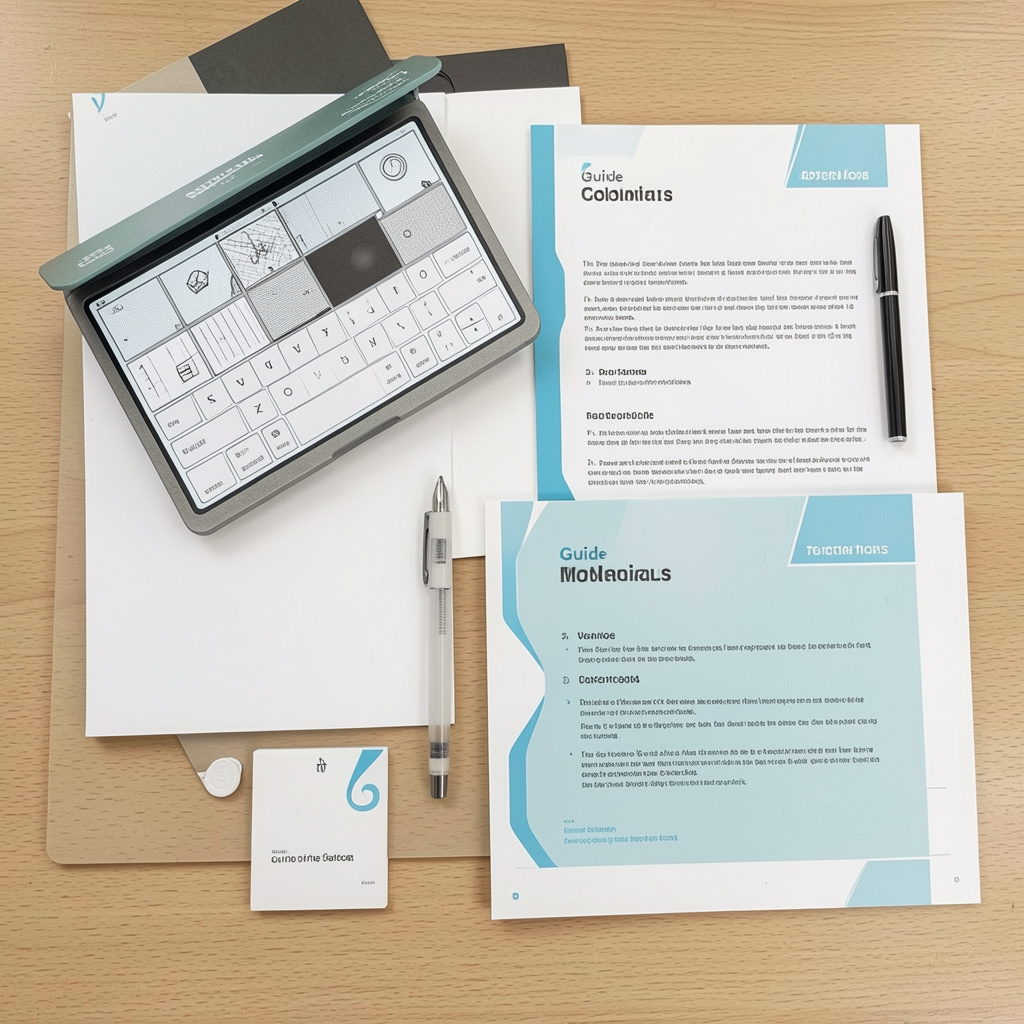
Downloadable guide materials

The 90-Day Reset Guide

A collection of information about attention management and daily routines. Includes exercises, tracking templates, and research-based suggestions for those interested in exploring these topics.

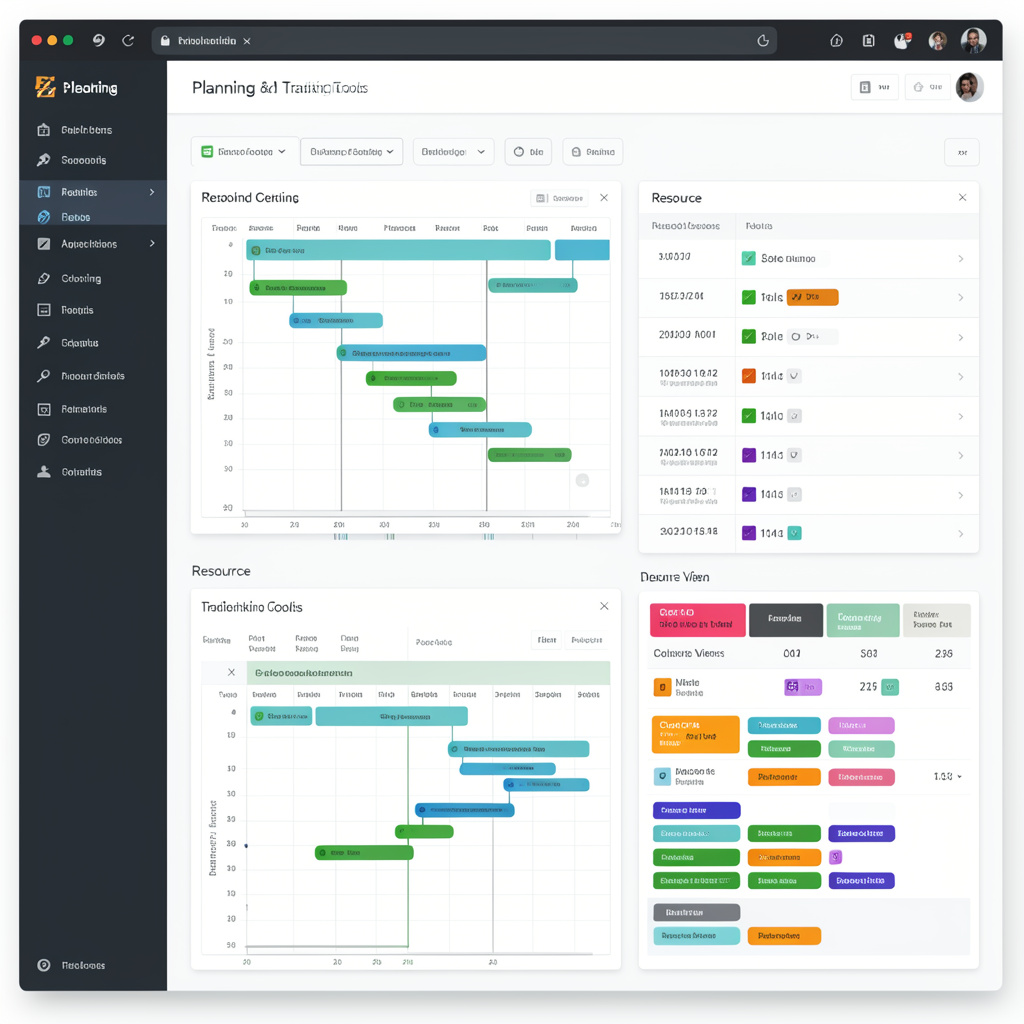
Planning and tracking tools

Digital Detox Toolkit

Templates and ideas for managing device usage, including notification settings and screen time considerations. Also includes a daily planning template that some people find useful.

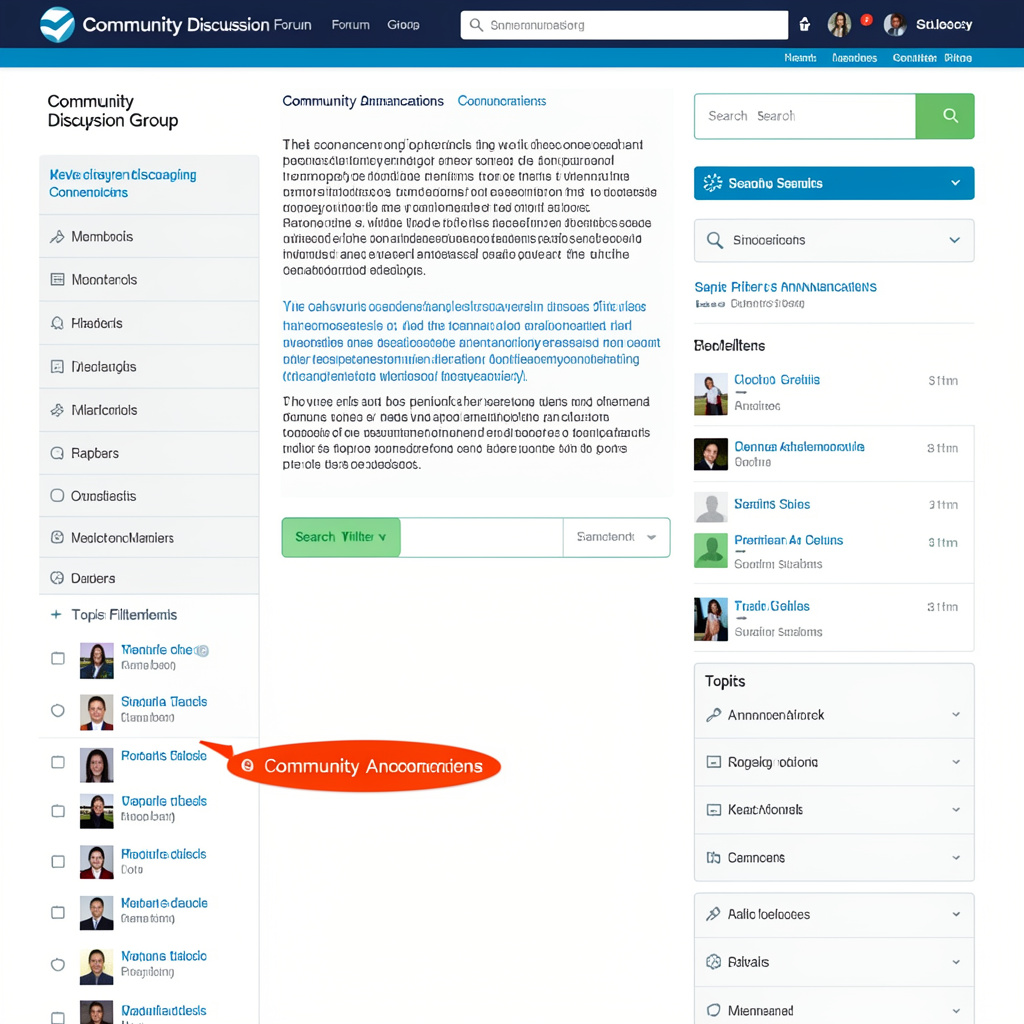
Community discussion forum

Weekly Accountability Circle

A community space where members share experiences and discuss various approaches to daily routines. Includes regular sessions with discussion opportunities and ongoing peer interaction.

Frequently Asked Questions

How long does it take to notice changes?

This varies from person to person. Some people report noticing differences within days, while others find it takes weeks or longer. Individual experiences differ based on many factors.

Do I need to follow all the suggestions?

Not at all. These are options to consider based on your individual situation. Choose what resonates with you and fits your lifestyle.

What if I miss a day or fall back into old patterns?

This is a common experience. Many people find that habits take time to develop and that occasional lapses are part of the process.

Can these approaches work alongside other lifestyle practices?

These suggestions are general in nature and may complement other habits or routines. Individual circumstances vary, so personal judgment is important.

Is this suitable for people with busy schedules?

These ideas are intended to be flexible and adaptable. People with various schedules may find different aspects more or less relevant to their situations.

How do I know which changes to prioritize?

Start with areas that feel most pressing or where you sense the greatest opportunity for improvement. Trust your intuition about what might serve you best.

Get in Touch

Disclaimer: This website provides general lifestyle information for educational purposes only. It does not constitute professional advice, medical guidance, treatment recommendations, or health services. Individual experiences may vary. The information presented is not intended to diagnose, treat, cure, or prevent any condition. Always consult qualified professionals for specific guidance related to your personal circumstances and before making any lifestyle changes.